
SAS safety record
SAS hasn't had a fatal accident since 2001, when a private jet taxied onto the runway in its path at Milan — almost twenty-five years. On airlines like SAS, the chance of a passenger dying in an accident is about 1 in 80 million per flight.
For airlines based in Denmark, Norway and Sweden and the other countries in the same safety group, 2018–2022 (MIT study).
Put another way: if you took a flight every single day, you would, on average, fly for about 219,000 years before a fatal accident happened to you.
Almost twenty-five years without a fatal accident
SAS's last fatal accident was on 8 October 2001 at Milan Linate: in fog, a private jet taxied onto the active runway without clearance and was hit by an SAS MD-87 on its take-off run. All 110 people on the SAS aircraft died, with 4 on the jet and 4 on the ground. The Italian investigation found serious failings in the airport's systems and procedures.
SAS was formed in 1946 by the airlines of Denmark, Norway and Sweden. Its four fatal accidents before 1970 — the last near Ankara in 1960 and off Los Angeles in 1969 — are not on the line below, which starts in 1970.
Every fatal accident, on one line
Solid dots are its own flights; hollow ones were flown by a partner or subsidiary under its name; grey rings are hijackings and attacks. Deaths that investigators don't class as accidents (such as trespassers) aren't shown.
- Oct 2001 SK686 · McDonnell Douglas MD-87 · Milan LinateIn fog, a private jet taxied onto the active runway without clearance and was hit by the SAS aircraft on its take-off run; the Italian investigation found serious failings in the airport's systems and procedures.
Flying SAS soon? See the bumps on your route
Enter where you're flying from and to. The forecast shows where the bumpy stretches are, how strong they'll be and when in the flight they come, from global weather forecasts and live pilot reports.
The day you fly, in the departure airport's own calendar.
SAS in numbers
What SAS flies
Tap a plane for its own safety record.
Flying SAS? Know before you board.
- ✓Which aircraft is on your flight — the exact type and its record, updated if the airline swaps it
- ✓The turbulence forecast for your exact flight, refreshed as new weather comes in
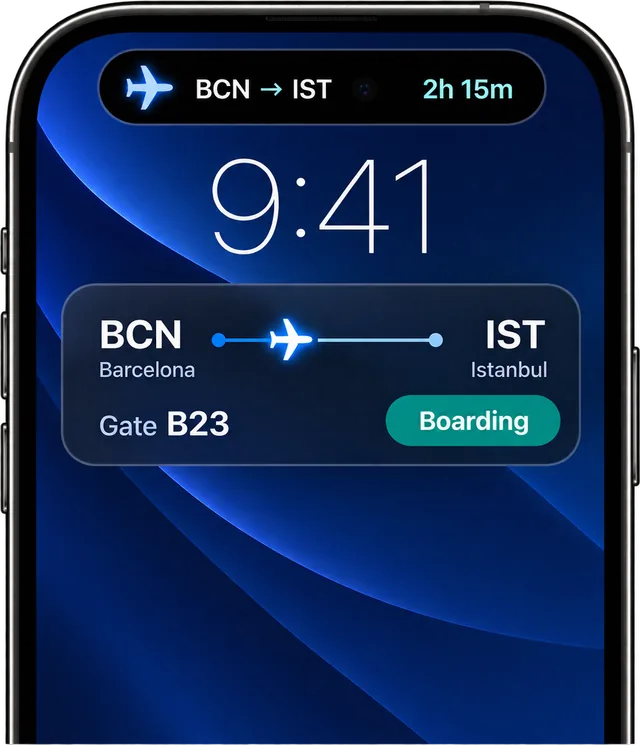
- ✓Delays and gate changes on your Lock Screen, before the departure board
- ✓Where you are in the flight, and how long until the bumpy stretch is behind you
SAS safety questions
How safe is SAS?
SAS hasn't had a fatal accident since 2001, when a private jet taxied onto the runway in its path at Milan — almost twenty-five years. On airlines like SAS, the chance of a passenger dying in an accident is about 1 in 80 million per flight. Every fact on this page is sourced — the list is at the bottom.
What is SAS's safety rating?
FlyBud doesn't invent a score. What matters is the record, which you can check: SAS's last fatal accident was at Milan Linate in 2001, when a private jet taxied onto the runway in its path. It is registered with IATA's operational safety audit (IOSA), which registered airlines must renew every two years.
Has SAS ever crashed?
Its last fatal accident was at Milan Linate in 2001, where a private jet had taxied onto the runway. None since.
Where these facts come from
Every fact on this page is from official accident reports, the airline's own filings or the published accident record.
- Wikipedia accident history
- SAS annual report passengers
- Wikipedia fleet
- IATA IOSA registration
- MIT News / Journal of Air Transport Management (Barnett, 2024) risk per flight 2018–2022
Flying SAS soon?
FlyBud shows your exact aircraft, the turbulence forecast for your route and every delay and gate change as it happens.